
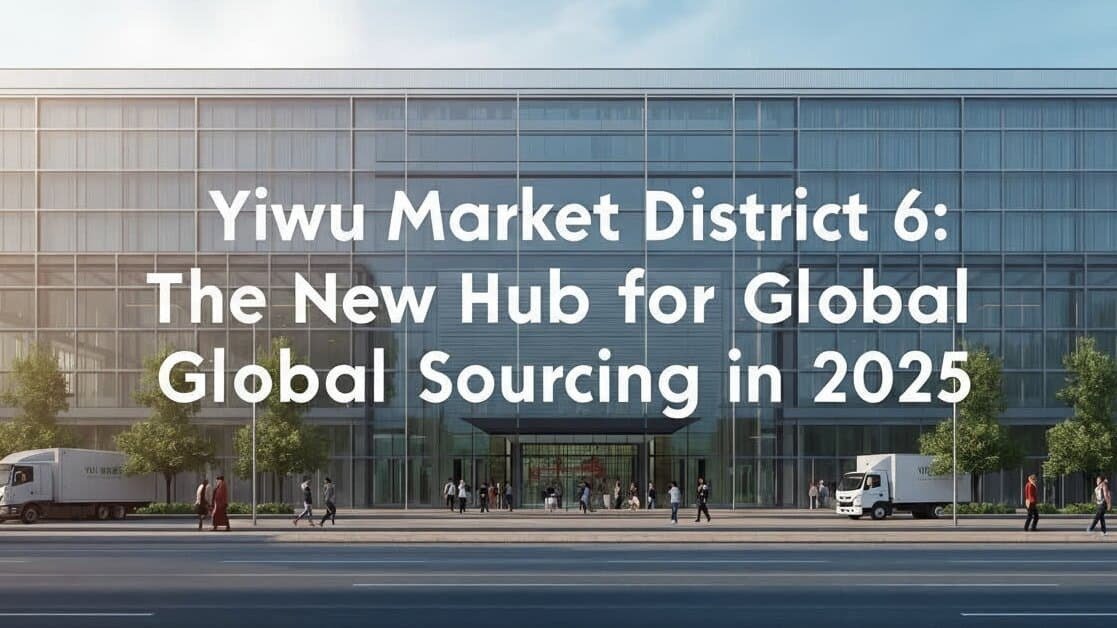
Yiwu Market District 6 is a commonly used name for the Global Digital Trade Center (义乌全球数贸中心), east of District 5 of Yiwu International Trade City. It opened on 14 October 2025 and combines a wholesale market with business and digital-trade facilities. Its product mix includes jewelry, creative toys, beauty supplies, fabrics, baby products, home and health goods, travel products and smart equipment.
This guide explains where to look for products, how to plan a visit and what to confirm before ordering. The opening date is recorded in the Yiwu municipal government’s announcement. Floor allocations below refer to the operator’s 2025 notices; confirm your supplier’s current booth before travelling.
- Location and market overview
- Products and floor guide
- District 6 versus Districts 1–5
- Planning your sourcing visit
Where Is Yiwu Market District 6?
The complex is in Yiwu, Zhejiang Province, on the east side of District 5, across Chunfeng Avenue. Search a map app for 义乌全球数贸中心 and ask your supplier for the market block, floor, booth number and nearest entrance. A general map pin may lead to a different entrance or another building within the complex.
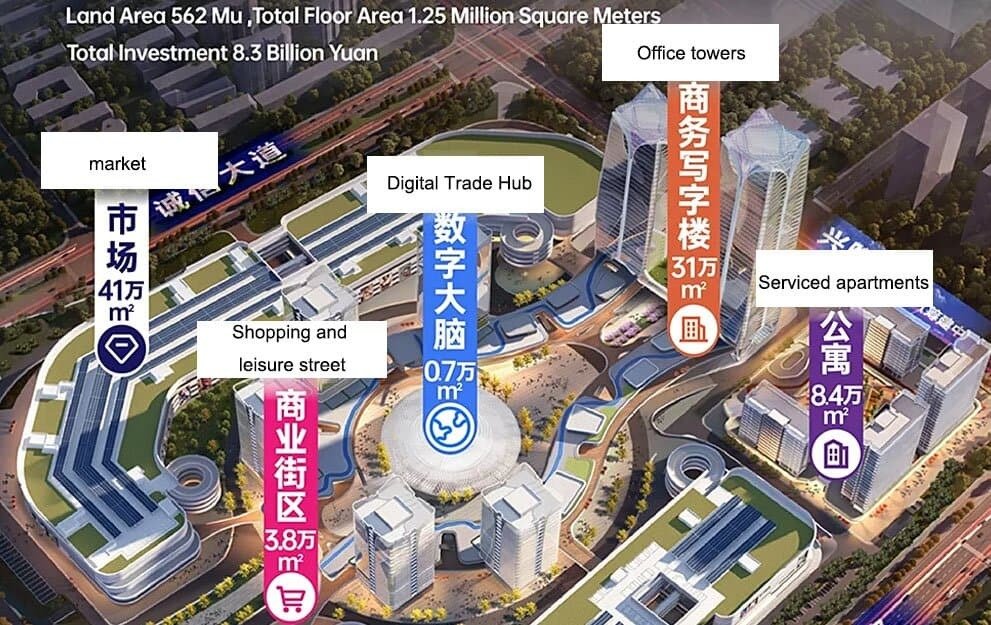
The project covers about 562 mu (approximately 92.6 acres), with around 1.25 million square metres of total building area. That total includes several types of buildings: the market portion is about 410,000 square metres. The wider complex includes offices, commercial space, apartments and a digital-trade hub. Do not treat the total project area as shopping-floor space or assume every service in the development is included in a purchase.
Plan your route using current train or flight schedules. From Yiwu Railway Station or Yiwu Airport, check the live driving estimate for your chosen entrance; traffic and the starting point affect journey time. For a multi-district trip, arrange meetings by product category and location rather than trying to visit every district in one day.
For additional Yiwu market information, visit Link Yiwu. You can also read our Yiwu market sourcing guide to understand how we help plan supplier visits.
What You Can Buy: Product Categories and Floors
Use the following as a starting point for finding relevant suppliers. A category listing does not establish that a particular item is in stock, licensed for resale or compliant with your destination market’s requirements.
| Catégorie | Published floor allocation | What to discuss with the supplier |
|---|---|---|
| Fashion jewelry | M2, floor 1 | Materials, plating, stone descriptions, samples and relevant testing. |
| Skincare and medical-beauty supplies | M2, floor 2 | Exact product type, ingredients or specifications, labels and destination requirements. |
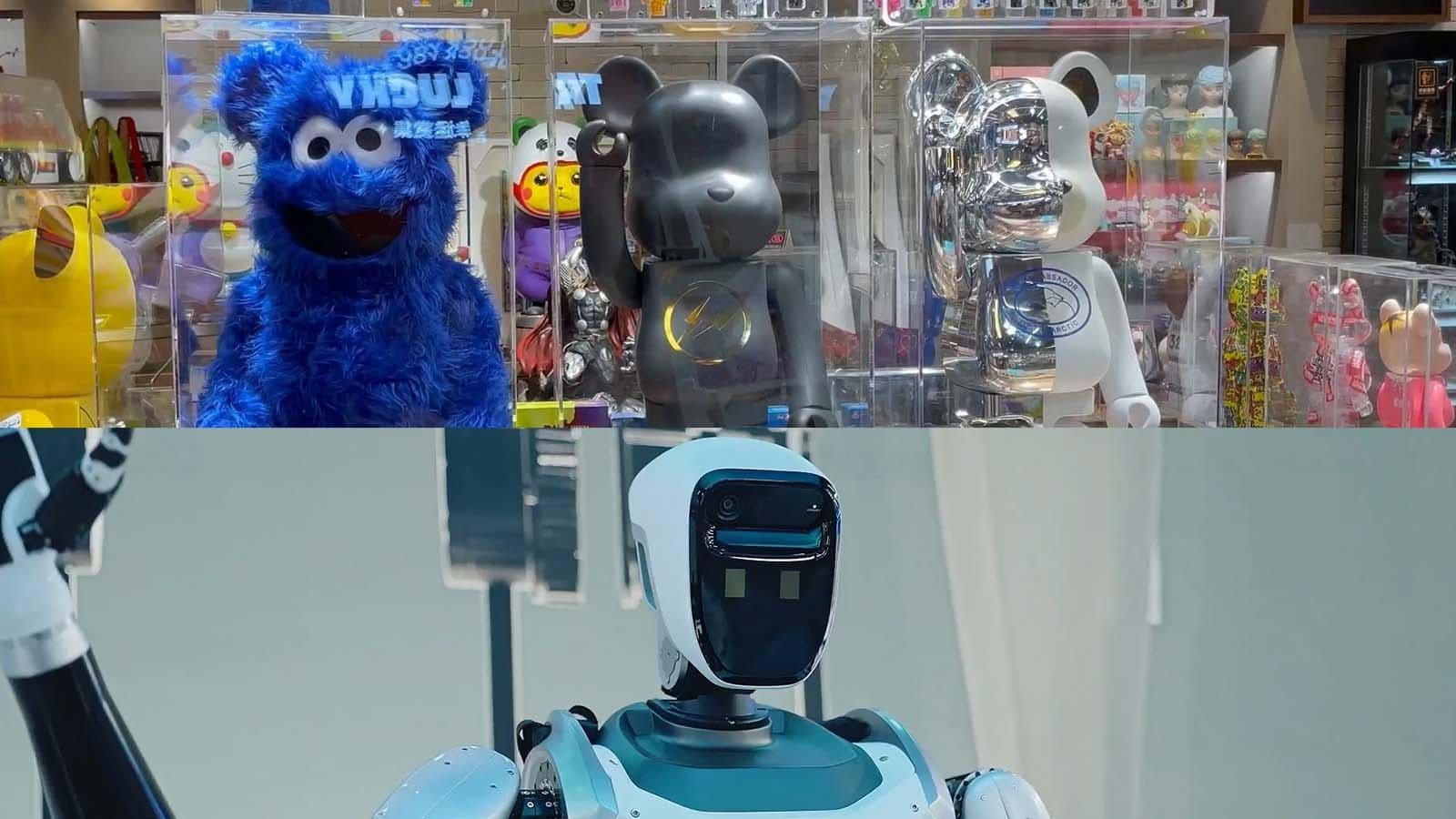
| Creative and trend toys | M3 and M4, floor 1 | Age grading, materials, safety requirements and any claimed IP authorization. |
| Fashion fabrics | M1, floor 1 | Composition, weight, colour consistency, minimum quantities and sample swatches. |
| Baby and children’s daily-use products | M3 and M4, floor 2 | Intended age, materials, product-specific safety requirements and testing. |
| Home and health-related products | M1 and M2, floor 3 | Function, dimensions, electrical specifications where relevant and applicable documentation. |
| Travel and outdoor products | M3 and M4, floor 3 | Use conditions, materials, durability, packaging and order quantity. |
| Drones, unmanned equipment, robotics and AI/AR/VR equipment | M2, floor 3 | Functions, batteries, technical support, transport and destination-country requirements. |
Sources: the operator’s notices for toys and skincare/medical-beauty supplies, fashion fabrics, baby, travel, home/health and smart-equipment categories, and the fashion-jewelry notice. These are 2025 allocation notices, not a live inventory of current tenants.
The broad categories overlap with products sold elsewhere in Yiwu. Compare the actual specification, supplier capability, total price and order terms. Medical, cosmetic, electrical, toy and radio-enabled products can require different checks; their presence in the market does not itself establish approval for export or sale in your country.
Yiwu Market at a Glance

International Trade City’s established districts remain useful sourcing destinations. These guides introduce their main product groups:
- District 1: toys, artificial flowers, jewelry and hair accessories.
- District 2: bags, umbrellas, hardware, tools and electrical goods.
- District 3: stationery, sports goods, cosmetics, eyewear and garment accessories.
- District 4: socks, shoes, hats, gloves, belts and other daily-use goods.
- District 5: imported goods, bedding and textiles, automotive accessories and other categories.
For background, see our articles on Yiwu’s development as a trading centre et changes in the Yiwu market. Use current supplier information when planning an order.
District 6 Compared with Districts 1–5
| Consideration | Districts 1–5 | District 6 |
|---|---|---|
| Where to start | Useful for their established product categories and supplier clusters. | Useful when its listed categories match your product brief. |
| Showrooms and layout | Booth sizes and display formats vary by area and supplier. | A newer complex; the operator’s cited 2025 notices describe standard booths of about 30 m². |
| Digital communication | Online listings, chat and video can be available; ask each supplier. | Digital-trade facilities are part of the development, but supplier access and usage vary. |
| Price and order terms | Compare individual quotations, quantities and specifications. | Use the same comparison; a newer market does not guarantee a lower price or better quality. |
| Quality and purchasing checks | Samples, documented specifications and agreed inspection remain important. | The same checks apply, including to innovative or branded products. |
Choose by product fit rather than assuming that District 6 replaces the older districts. A sourcing trip can combine both. Neither a market address nor a modern showroom is proof that a seller manufactures the goods or can meet your requirements.
What the New Facilities Mean for Buyers
1. Showrooms and Layout
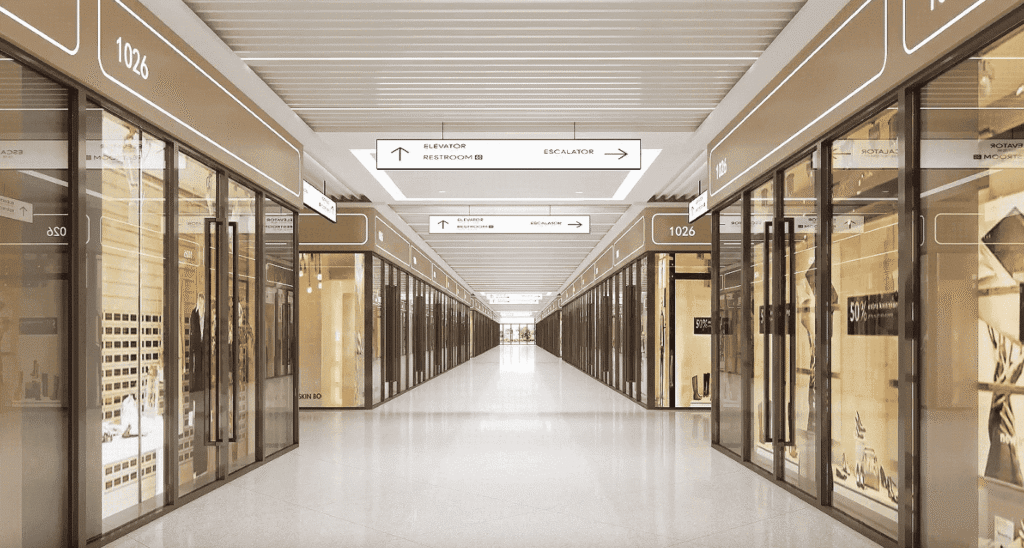
The larger standard booths described in the operator’s notices can give exhibitors more room for product displays. Confirm the entrance and meeting location beforehand, and allow time to compare samples rather than judging a supplier by its showroom alone.
2. Product Clusters
The floor guide helps group visits by category. Earlier planning and recruitment materials use different category groupings; this guide uses the eight groups above to keep the buyer’s route clear. Check the current directory for individual shops and any later changes.
3. Navigation, AI and Other Digital Tools
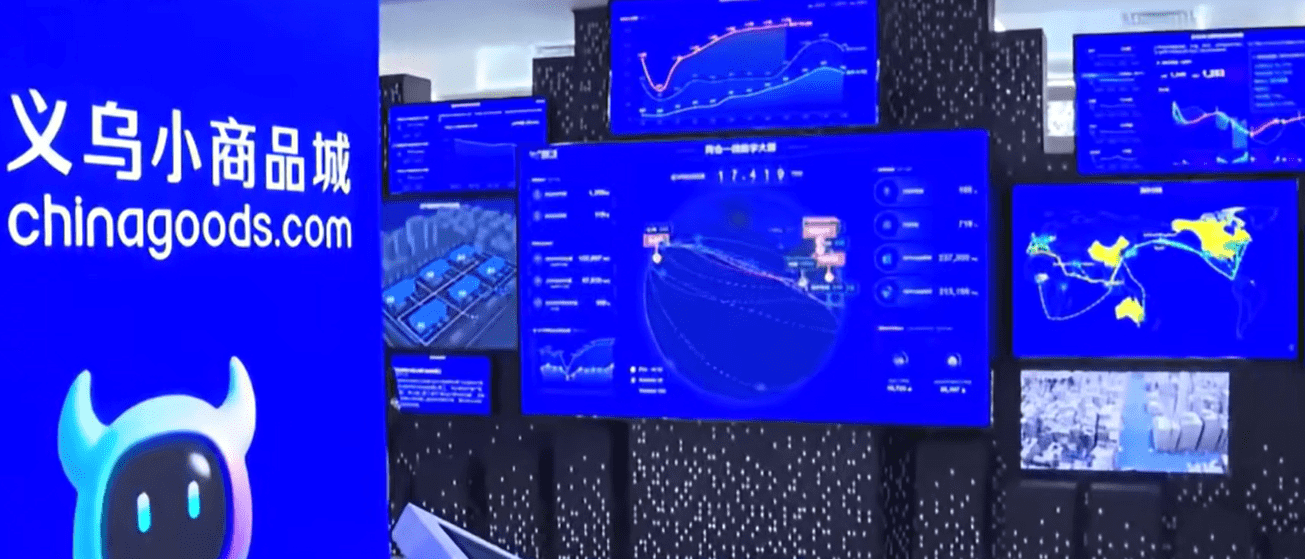
Official opening coverage describes AI applications and digital infrastructure. Available tools can help with navigation, translation or product presentation, but confirm the specific application and access conditions. Do not assume that uploading a product photo will locate an exact supplier or that every shop supports the same tools.
Translation and virtual demonstrations can help you discuss a product. Still confirm measurements, currencies, materials, packaging and deadlines in writing, and approve physical samples when needed. A demonstration of robots or other equipment is not a guarantee that a delivery service is available for your purchase.
4. Cross-Border Trade Services

The development brings trade-related services together. Ask which provider handles payment, transport, customs or storage, what accounts and documents are required, and what fees apply. A service network’s country or currency coverage does not mean every buyer, supplier or transaction is eligible.
If a supplier offers a video call or live demonstration, confirm its identity and the actual goods being quoted. Request a written quotation and order terms afterward. Digital access supports sourcing; it does not remove sample approval, inspection, documentation or your responsibilities as a buyer.
How to Source from District 6
1. Prepare a Brief and Shortlist Suppliers
Bring product references, material and size requirements, quantities, packaging needs, destination and target delivery date. Search the official Chinagoods marketplace for leads, then confirm each supplier’s current location and meeting availability. Our supplier selection guide explains additional checks.
Record the company name, contact, booth number, quote date and sample reference for each visit. A photo of a display is useful only if you can connect it to the supplier and the precise product quoted.
2. Compare Quotes, Samples and Order Terms
Compare quotations against the same specifications. Discuss minimum order quantities, sample costs, lead times, branding, packaging and any separate charges. Confirm whether the seller is a manufacturer or trading company, and who will invoice and receive payment.
Record approved specifications and agree on inspection, acceptance criteria and payment milestones before ordering. AI translation and a modern market setting do not replace these checks. If a balance payment is to depend on an acceptable inspection result, make that condition part of the agreement.
3. Arrange Shipping and Keep the Documents
Confirm the delivery term and named place, who handles export and import procedures, and what freight, insurance, duties or taxes are included. If a provider proposes bonded storage or another special route, check whether it fits your goods and transaction. Access to nearby logistics services does not automatically make an order suitable for that route.
Keep the invoice, packing list, transport documents and relevant product records. Agree on the process and evidence for reporting damage, shortages or specification problems. If you need help, compare a sourcing agent’s scope and fees and use our 10 tips for choosing a reliable sourcing agent.
How MySourcify Can Help
MySourcify can help with supplier research, sample coordination, production follow-up, agreed quality checks and shipping arrangements. The work depends on your product brief and chosen service scope. Confirm what is included, any separate costs and the responsibilities of each party before proceeding.
Start with our sourcing and purchasing services, or send your product requirements with quantity, destination and timeline. We can discuss a suitable sourcing route across District 6, other Yiwu districts or other suppliers as needed.
Yiwu Market District 6 FAQs
Where Is It, and How Do I Get There?
Search for 义乌全球数贸中心, east of District 5, and confirm the correct market entrance with your supplier. Check current rail or flight options and live local travel estimates. Do not assume a direct flight is available from every major Chinese city or that all journeys take the same time.
Can Foreign Buyers Purchase Directly?
International buyers can contact suppliers directly and negotiate orders. This is a permanent market rather than a short trade fair, but holiday closures and individual shop schedules still apply. International Trade City and the Global Digital Trade Center reopened after the 2026 Spring Festival on 28 February 2026. Check the current year’s notices and confirm meetings before booking travel.
How Can I Pay?
Ask the supplier which payment routes are supported for your order and verify the beneficiary and invoice. Availability, currency, fees and account requirements vary. Our Yiwu Pay introduction offers background, but confirm current eligibility and terms directly with the provider. A payment platform or a market location does not by itself guarantee a refund or buyer protection.
Should I Choose District 6 Instead of Districts 1–5?
Choose the district that fits your product and supplier shortlist. District 6 may be relevant for its category mix and newer facilities, while established districts remain useful for many sourcing projects. Compare samples, total cost and supplier performance rather than treating one district as universally better.


